

The Indian steel sector is poised to witness a gradual but highly significant technological shift as there is an increasing focus on Electric Arc Furnace (EAF) technology, as part of the overall thrust towards decarbonization, cost competitiveness, and efficient use of resources. Although the Indian steel sector is largely dependent on the coal-based blast furnace-basic oxygen furnace (BF-BOF) route, the overall policy structure and green steel initiatives suggest that EAF technology is poised to become a major structural theme in the future steel sector trajectory of India.
Policy Context: Green Steel and Decarbonisation Pressure
India is the second-largest steel-producing country globally, but its production is still more carbon-emitting than the average global production due to its reliance on coking coal and blast furnace technology. As per industry estimates, the average carbon emission per ton of steel produced in India is approximately 2.5 tons of CO2, indicating a large gap in the decarbonization of steel production in the country compared to global standards.
In this light, the Indian government has started the process of making the transition to green steel production through the Green Steel Taxonomy, which was launched in 2024 and categorizes steel production based on its emission intensity, which is likely to impact investment and procurement decisions in the industry.
In this scenario, Electric Arc Furnaces are being considered as they require electricity and scrap steel as raw materials, as opposed to iron ore and coke, and are therefore much more flexible and environmentally friendly. Industry trends globally indicate that EAF technology is increasingly being favored due to its lower carbon emissions, flexibility, and compatibility with recycled materials, which is in line with the principles of the circular economy.
Industrial Investments Reflect a Technological Pivot
The concrete investment trends are already evident in the Indian industrial sector. One of the most prominent investments is the proposed greenfield special and alloy steel project in Ludhiana, which is being set up in collaboration with Japanese partners. This new project will use EAF technology to produce cleaner steel with an annual capacity of around 500,000 tonnes.
In addition to this, Tata Steel’s proposal to set up an Electric Arc Furnace facility, as part of its overall green steel strategy, further reinforces the trend of adopting alternative steel production technology. Industry trends suggest that new EAF-based capacity is likely to be operational from FY2027 as part of overall sustainability-driven modernization initiatives.
These developments suggest that although existing blast furnace capacity will continue to be the primary driver in the short term, new capacity additions are increasingly adopting EAF technology, particularly in the specialty steel, automotive steel, and recycling-based segments.
Scrap Economy and Resource Efficiency
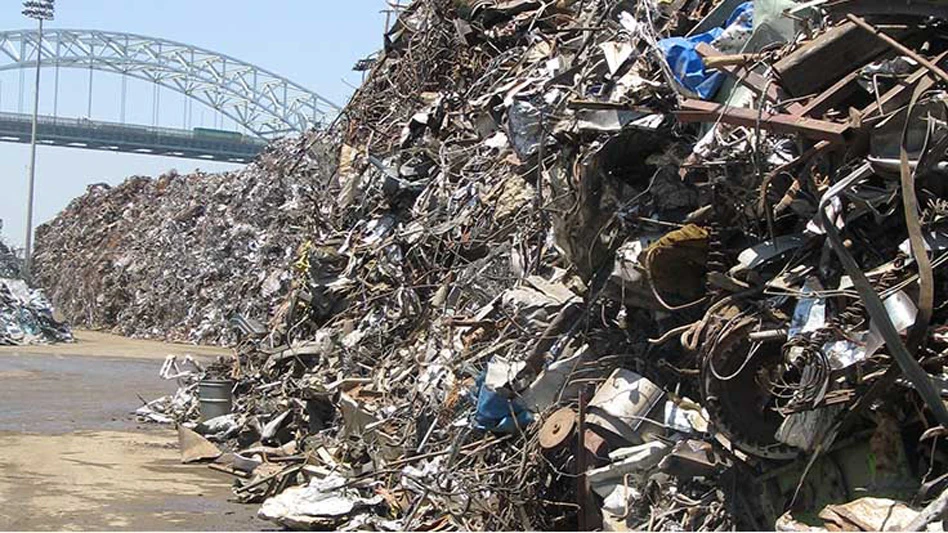
Among the most important factors that are expected to drive the adoption of EAFs in India is the increasing focus on scrap recycling. Unlike the BF-BOF process, EAFs are largely scrap-driven, and this makes them less dependent on imported metallurgical coal and iron ore. This is especially important for India, which currently incurs high import costs for metallurgical coal and is also working towards enhancing the raw material security of its steel industry.
The scrap-based process is also in line with the increasing focus on the circular economy in India, particularly as the country’s infrastructure development, car scrapping policy, and construction waste management practices are expected to increase the availability of recyclable steel material.
Environmental and Climate Imperatives
Another key driver is environmental regulation and climate commitments. India has committed to making its economy less carbon-intensive and achieving net-zero emissions by 2070, with heavy industries like steel being a high priority for green transformation. The Ministry of Steel has already begun green transition roadmaps that focus on innovation and sustainable practices.
EAF-based production can be a game-changer in this transition as it can be fueled by renewable energy and, in the future, by green hydrogen. Analysts forecast that in the short term, India’s steel industry will see emission cuts through renewable energy integration, efficiency improvements, and the adoption of cleaner technologies like EAF-based production.
But at the same time, experts also warn that India’s transition will be a gradual process rather than an immediate one due to high capital costs, scrap availability, and the relatively young age of existing blast furnace capacity.
Structural Constraints to Rapid EAF Expansion
Despite the increasing momentum, there are still some structural hurdles that need to be overcome. The Indian steel expansion plan is still very much dependent on coal-based steel production, with a substantial part of the new capacity being based on traditional blast furnace routes. It is reported that the country’s steel expansion plans could have a substantial impact on climate change targets unless more clean technologies advance at a faster pace.
The other area that is still not very developed is the waste collection and processing system, which is necessary for the supply of feedstock required for the widespread use of EAFs. Energy costs and stability are also factors that affect the viability of EAFs, as they consume substantial amounts of electricity.
Strategic Outlook: Hybrid Steelmaking Future
Looking ahead, the most likely course for India would be a combination of BF-BOF, DRI, and EAF steelmaking routes, rather than a direct replacement of blast furnaces. This would enable the country to continue with high levels of steel production while reducing the intensity of greenhouse gas emissions.
India has set a target of 300 million tonnes of crude steel capacity by 2030-31 in its long-term industrial plan. Technology diversification would be the key to maintaining competitiveness in export markets, which are increasingly adopting carbon border taxes and green procurement practices.
Conclusion
The transfer of Electric Arc Furnace technology to India must be viewed not as a shock to the industrial system but as a structural shift, which is driven by decarbonization policies, resource economics, and the changing expectations of the global market. Although the traditional coal-based steel industry will continue to be the major force in the short term, the increasing regulations on green steel, the development of new EAF-based steel plants, and the increasing focus on scrap recycling indicate that EAFs will increasingly become a part of the steel industry in India.
This structural shift in the steel industry in India, therefore, is a technological and economic shift that will determine India’s role in the global green steel chain.
Sources
India announces formula for classifying green steel
Electric Arc Furnace Market to Surge Globally as Steel Industry Embraces Green Solutions
Punjab to get Rs 2500 cr Steel Plant in Ludhiana
Ludhiana EAF on track for H1 FY2027 as Tata Steel accelerates green steel plans
India’s steel expansion threatens climate goals and global efforts to clean up industry: report
Related Article
https://www.iru-miru.com/en/article/81194
(IRuniverse Rohini Basunde)


